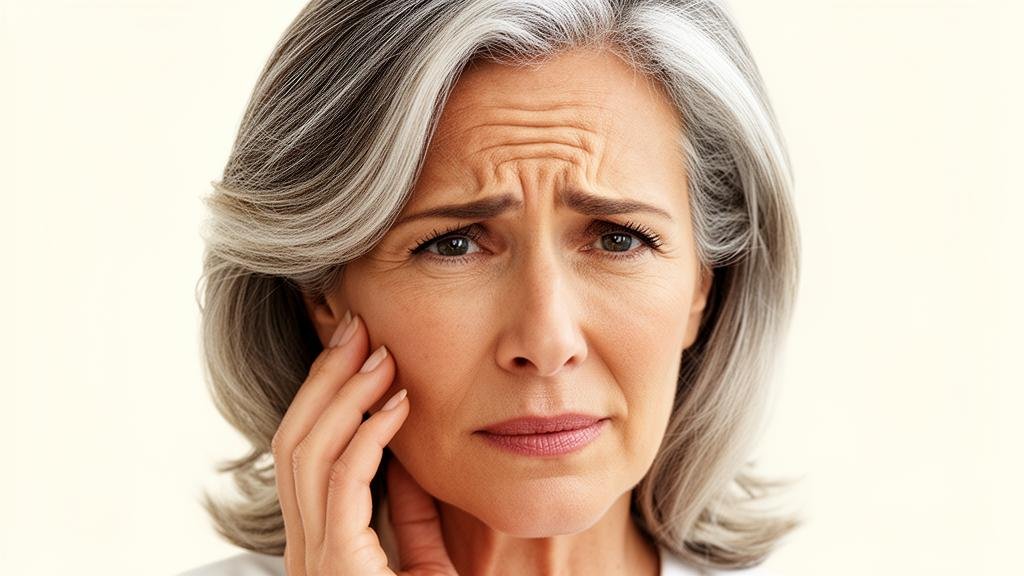
A short video explaining why common oral routines often stop working after 45.
If you are over 45 and still dealing with
bleeding gums,
bad breath,
sensitivity or
cavities — even though you
brush,
floss and
see a dentist — something important is being missed.
Many people in this situation feel confused and even frustrated.
They follow the rules, spend the money, and still watch their mouth slowly get worse.
What almost no one explains is that after 45, the problem often isn’t what you are doing —
it’s what is quietly changing inside your mouth.
The balance of saliva, tissue recovery, and natural defenses shifts.
And when that happens, the
oral environment
becomes easier for unwanted bacteria to take over — even with perfect hygiene.
8 min read
Expert reviewed
215K+ views
Over 47% of adults over 30 show signs of gum disease, according to the CDC.
What is happening is not random.
As the body ages, the balance of bacteria in the mouth slowly shifts.
At the same time, saliva becomes less supportive and the tissues that hold the gums and teeth recover more slowly.
Together, these changes quietly alter the
oral environment,
making it easier for unwanted bacteria to gain ground — even in people who brush, floss and get regular cleanings.
This is why so many adults notice that their mouth simply does not respond the same way it used to.
What Experts Are Discussing Now
Dental professionals have long warned that inflamed gums can create entry points for harmful oral bacteria. But the conversation is evolving.
What has changed is the growing focus on how these bacteria behave, especially as the body ages.
After 45, natural changes in saliva production, immune response, and tissue regeneration can alter how effectively the mouth defends itself.
Do Any of These Sound Familiar?
Your gums bleed when you brush or floss
Persistent sensitivity and irritation
Bad breath that keeps coming back
Cavities appearing despite regular dental care
These issues often develop gradually — making them easy to overlook until they become more serious.
That is why so many people don’t realize what is really happening inside their mouth until years later — when the symptoms are already impossible to ignore.
Discover what dental experts are now saying about oral health after 45.
Regular check-ups are important, but understanding your oral microbiome may be equally crucial.
Why This Matters More After 45
Some researchers believe that oral bacteria don't necessarily become more dangerous with age — instead, the environment changes.
As the body's systems slow down, bacteria that were once easily controlled can become more active, particularly around the gum line where inflammation occurs.
This has led experts to ask a fundamental question:
"Is oral health just about cleaning — or is it also about supporting the mouth's natural balance?"
A Different Perspective on Oral Support
Interestingly, a lesser-known approach now gaining attention looks at oral health from a support perspective rather than pure treatment.
Instead of simply attacking bacteria directly, this approach focuses on creating conditions where harmful bacteria have difficulty thriving in the first place.
It's not a medication.
It's not a dental procedure.
And it doesn't promise to "fix" anything overnight.
It's about supporting the oral environment — especially important for adults over 45 whose natural defenses may be changing.
🔬
Certain formulations being discussed include carefully selected nutrients designed to support gum tissue health, saliva balance, and natural oral defenses.
The goal isn't elimination of all bacteria.
It's about restoring balance.
And balance, according to many experts, becomes increasingly important with age.
See what thousands are learning about supporting oral health naturally.
The explanation helped me understand why brushing and flossing alone weren't fully resolving my gum issues. Very informative.
I wish I had learned about this connection years ago, before dealing with recurring dental problems. Worth watching.
No exaggerations. Just clear information.
What This Means For You
Oral health isn't just about avoiding pain today.
It's about understanding what may be accumulating silently over time.
Especially after 45.
If you've noticed recurring gum problems or cavities despite doing "everything right," this perspective may offer valuable insights.
Free Educational Presentation
This educational video explains how oral bacteria may behave differently after 45 — and what many people are now doing to support their gum health naturally.
Educational content • No purchase required • Watch at your own pace
Medical Disclaimer: This content is for educational and informational purposes only and does not constitute medical advice. It is not intended to diagnose, treat, cure, or prevent any disease or health condition. The information presented should not be considered a substitute for professional medical advice. Always consult a qualified healthcare professional or dentist before making any decisions about your oral health or treatment options.