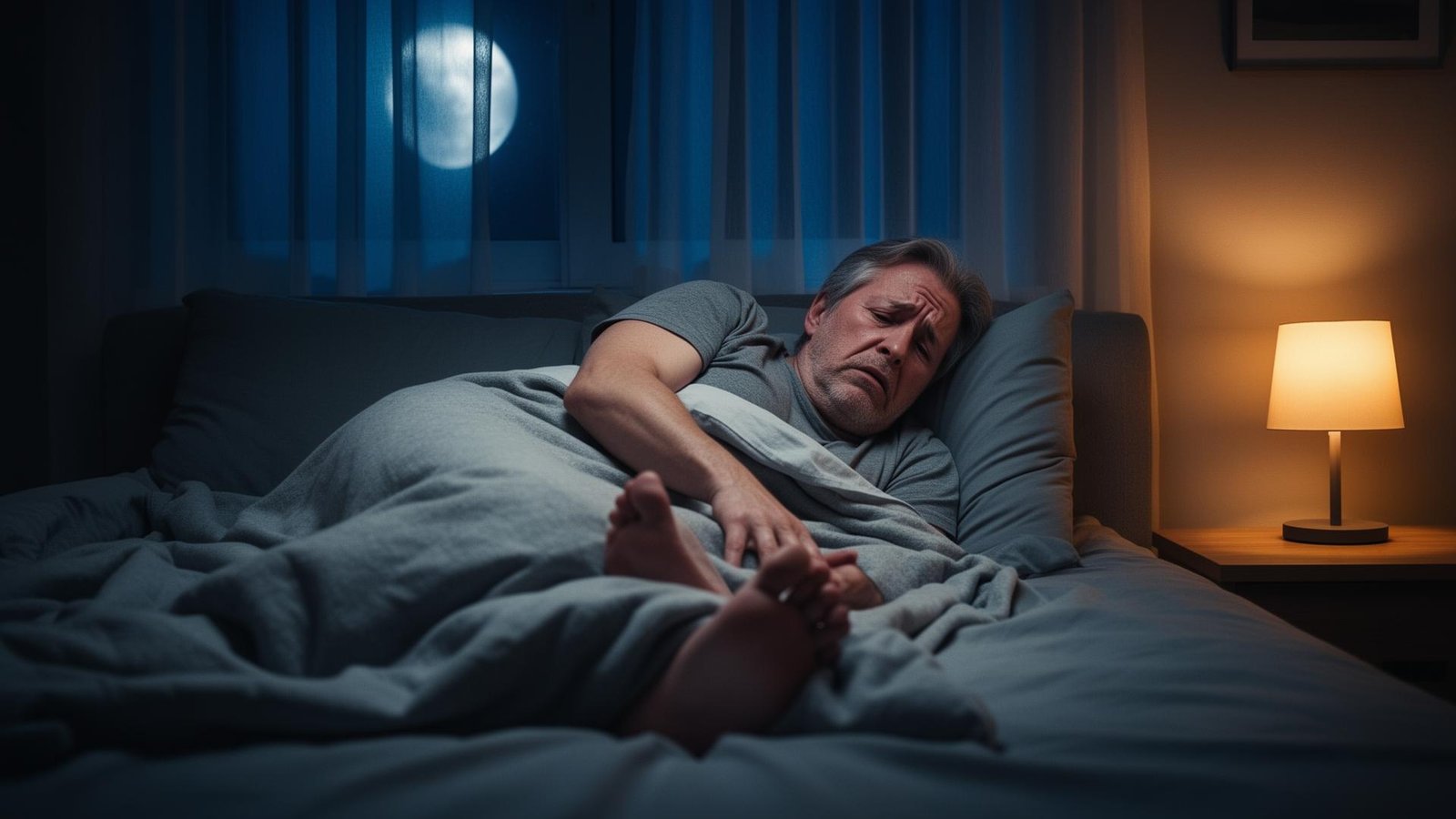
Burning Feet At Night? Understanding Nighttime Nerve Discomfort
Nerve Health
Burning, Tingling or Numb Feet at Night?
Why These Sensations Often Get Stronger After You Lie Down — And What They May Reveal About Your Nerves
Many people notice the discomfort shows up most when the body tries to rest
Medically reviewed educational content
4 min read
|
127,482 views
|
847 reading now
Updated:
If your feet burn, tingle, or go numb at night, it may be a sign that sensitive nerve endings are reacting more strongly once your body slows down — and many people notice the pattern can become more frequent over time.
Many people notice the discomfort begins as soon as they lie down.
The house gets quiet. The body tries to rest. And suddenly the feet feel hot, prickly, or painfully uncomfortable.
Most people assume it's circulation. Others blame age. Some think it's just part of getting older.
But in many cases, the real source of this pattern involves how the nerves in the feet are functioning.
People experiencing this often report:
Burning or hot sensations in the feet
Constant tingling or buzzing
Numbness that comes and goes
Sharp "pins and needles" feelings
Symptoms that clearly worsen at night
Once this starts happening regularly, sleep becomes lighter and more interrupted.
What many people don't realize is that nighttime is when nerve-related discomfort often becomes more noticeable.
During the day, movement and distractions help mask what's happening.
At night, when movement slows and distractions fade, irritated or under-supported nerves can send stronger signals to the brain.
Sensations that stayed in the background during the day can suddenly feel impossible to ignore.
This neurological shift helps explain why symptoms don’t just appear — they intensify.
What feels like a foot issue is often a nerve signaling problem that becomes louder during rest.
⚠️ Important to know
For many people, this pattern doesn’t simply stay the same. Over time, irritated or poorly supported nerves may send stronger or more frequent signals, causing sensations to start earlier in the evening, feel more intense, and interfere more with sleep and daily comfort.
This leads many to quietly search for answers late at night.
What many people are now discovering is that these nighttime nerve sensations are often linked to how well the nerves are being supported at a cellular level.
It’s not about masking pain.
It’s not about forcing the body.
And it’s not about simply ignoring the signals.
It starts by understanding what happens to sensitive nerves when the body lies down — and how proper support may help them stay calmer during the night.
Many find relief once they understand what's happening at night
There is a short explanation revealing why nighttime nerve discomfort often intensifies — and the small daily habit researchers began paying attention to after noticing unusually low rates of these symptoms in certain groups.
Many people are surprised when they finally understand what's happening during those quiet nighttime hours.
What seems random often isn't.
And once the trigger becomes clear, many people realize why what they tried before didn’t work — and why a different nighttime approach finally makes sense.
If burning, tingling, or numbness in your feet becomes more noticeable after you lie down, researchers say this pattern may be linked to how certain nerves behave during rest — not just circulation or aging.
What’s now drawing attention is the possibility that nighttime nerve discomfort may stem from a deeper underlying factor that many people — and even common approaches — tend to overlook.
In fact, observations from a small European coastal region sparked curiosity among specialists after reports showed unusually low rates of nerve-related discomfort compared to other populations.
Instead of focusing only on symptom relief, attention has shifted toward a simple daily habit believed to help support healthier nerve signaling when the body winds down for the night.
That unexpected discovery is what led to the short explanation you’re about to see — and why so many people dealing with burning or tingling feet at night have been eager to learn more.